Video Games and Skill Development: How Gaming Builds Real-World Skills
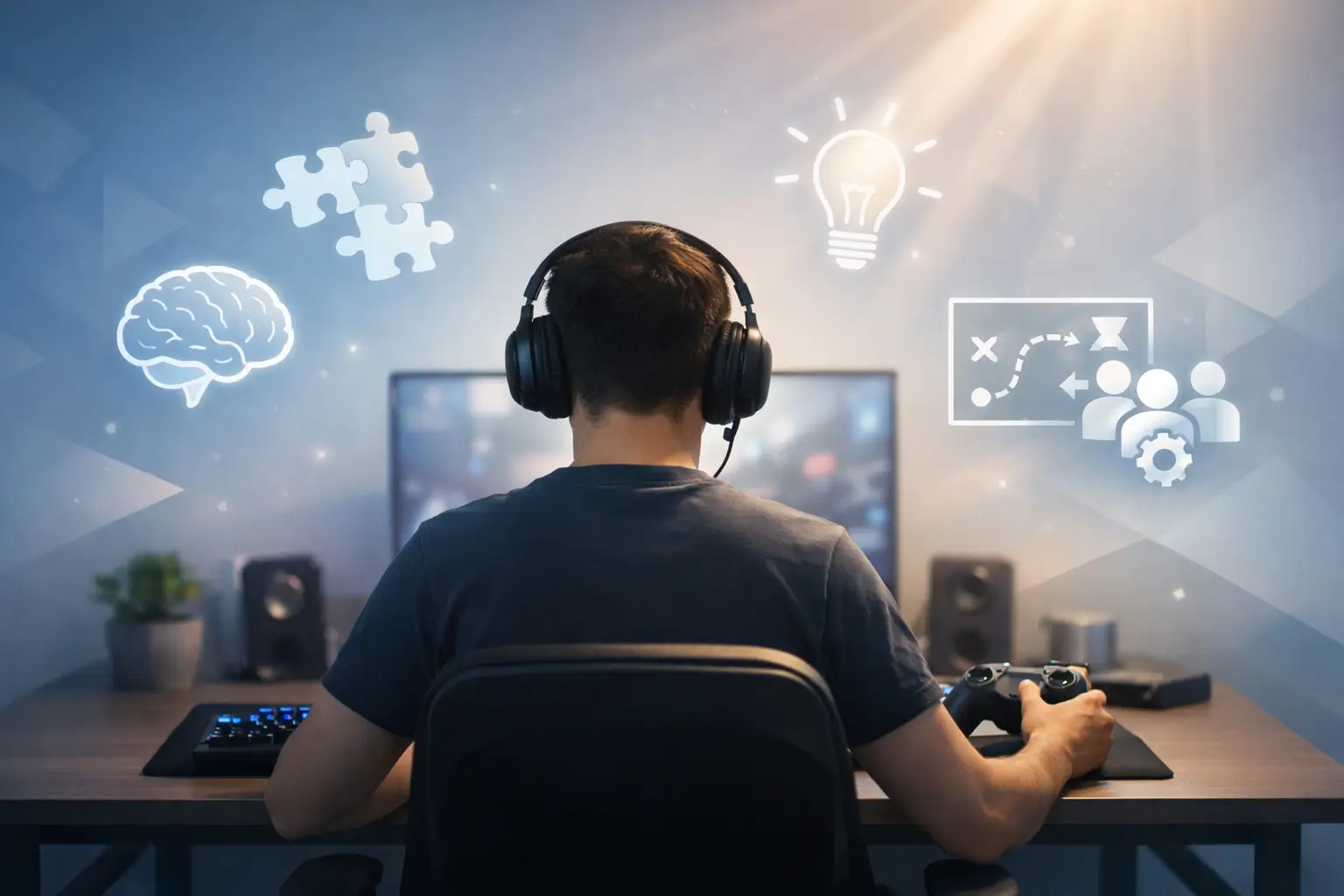
Video games are no longer just a source of entertainment. Today, discussions around Video Games and Skill Development focus on how gaming can build cognitive, creative, and practical real-life skills through meaningful gameplay experiences.
Introduction: Video Games Beyond Entertainment
For many years, video games were seen primarily as a form of entertainment. They were often associated with leisure time, relaxation, or simply escaping daily routines. However, as the gaming industry evolved, so did our understanding of what games truly offer. Today, discussions around Video Games and Skill Development have become increasingly relevant, as research and real-world experiences reveal how gaming can shape valuable abilities.
Modern video games are no longer just about winning or losing. They are complex systems that challenge players intellectually, emotionally, and socially. From strategic planning to creative problem-solving, games encourage skills that extend far beyond the screen.
The Cognitive Impact of Video Games
One of the most discussed aspects of Video Games and Skill Development is their effect on cognitive abilities. Many games require players to process information quickly, make decisions under pressure, and adapt to changing situations.
Strategy games, for example, push players to analyze multiple variables at once. Resource management, long-term planning, and cause-and-effect thinking are essential elements. These mental exercises strengthen memory, attention span, and logical reasoning.
Even action-based games contribute to cognitive growth. Fast-paced gameplay enhances reaction time and visual awareness, helping players recognize patterns and respond efficiently.
Problem-Solving and Critical Thinking
Problem-solving lies at the heart of many successful video games. Players are often placed in situations where there is no single correct solution. Instead, they must experiment, fail, learn, and try again.
This process closely mirrors real-life challenges. Through Video Games and Skill Development, players learn persistence, adaptability, and analytical thinking. Puzzle-based games, in particular, encourage players to break complex problems into smaller, manageable steps.
Games that involve open-ended challenges promote creative thinking. Rather than following a strict path, players design their own solutions, fostering independence and innovation.
Decision-Making Under Pressure
Many video games require split-second decisions. Whether choosing the right strategy in a competitive match or reacting quickly to unexpected events, players constantly assess risks and rewards.
These moments strengthen decision-making skills. Over time, players develop the ability to remain calm, evaluate options, and act confidently. This aspect of Video Games and Skill Development is especially valuable in fast-changing environments.
Importantly, games provide a safe space to practice decision-making. Mistakes are part of the learning process, allowing players to reflect and improve without real-world consequences.
Creativity and Imagination in Gaming
Creativity plays a significant role in modern video games. Sandbox and simulation games encourage players to build, design, and experiment freely. This creative freedom nurtures imagination and self-expression.
Through Video Games and Skill Development, players learn to think outside the box. They explore new ideas, test unconventional solutions, and develop unique play styles.
Creative games also inspire storytelling. Players often create narratives through their actions, strengthening their ability to communicate ideas and emotions.
Learning Through Exploration
Exploration-based games reward curiosity. Players are motivated to discover hidden paths, understand game mechanics, and learn from their environment.
This sense of discovery supports independent learning. Instead of being guided step by step, players rely on observation and experimentation. As part of Video Games and Skill Development, this encourages self-motivation and confidence.
Exploration also promotes attention to detail. Players become more observant, noticing subtle clues that guide their progress.
Strategic Thinking and Planning
Strategic thinking is a core component of many video games. Players must plan ahead, manage resources, and anticipate outcomes. These skills are transferable to real-life situations that require organization and foresight.
Through Video Games and Skill Development, players learn to balance short-term actions with long-term goals. They understand the importance of preparation and adaptability.
Games that reward strategic depth teach patience and discipline. Success often comes from thoughtful planning rather than impulsive actions.
Internal Link Example
If you’re interested in how different gaming styles influence player experiences, you may find this article useful:
Single Player Games in 2026: Why Solo Gaming Still Matters in a Multiplayer Era
This perspective complements the discussion on skill development by highlighting personal growth through focused gameplay.
Conclusion of Part One
As explored in this first section, Video Games and Skill Development are closely connected. Games enhance cognitive abilities, encourage problem-solving, and foster creativity in ways that are both engaging and meaningful.
In the next part, we will explore how gaming supports emotional intelligence, social skills, and real-world applications beyond the digital space.
Emotional Intelligence and Gaming
Emotional intelligence is an often-overlooked aspect of Video Games and Skill Development. Many games place players in emotionally complex situations where empathy, patience, and emotional awareness are essential.
Story-driven games allow players to experience different perspectives. By making choices that affect characters and outcomes, players develop a deeper understanding of emotions and consequences.
This emotional engagement helps players recognize feelings, manage stress, and build emotional resilience.
Social Skills and Communication
While video games are sometimes seen as isolating, many modern games emphasize collaboration and communication. Cooperative gameplay encourages teamwork, leadership, and conflict resolution.
Through Video Games and Skill Development, players learn to communicate clearly, listen to others, and work toward shared goals. These skills are valuable in professional and social environments.
Online interactions, when approached positively, can enhance cultural awareness and adaptability.
Adaptability and Learning from Failure
Failure is a natural part of gaming. Unlike traditional learning environments, games encourage repeated attempts without judgment. This reinforces resilience and adaptability.
Players quickly learn that improvement comes from analyzing mistakes. This mindset is central to Video Games and Skill Development, promoting continuous growth.
Learning through failure builds confidence and perseverance.
Time Management and Goal Setting
Many games require players to manage time efficiently and prioritize objectives. Balancing multiple tasks within a game environment teaches organization and focus.
Through Video Games and Skill Development, players develop goal-setting skills. They learn to break large challenges into achievable steps.
These habits translate naturally into academic and professional settings.
Ethical Thinking and Responsibility
Games often present moral choices that challenge players to consider ethical outcomes. These scenarios encourage reflection and responsible decision-making.
By engaging with these systems, Video Games and Skill Development supports ethical awareness and critical judgment.
Players become more conscious of how actions influence others.
Real-World Applications of Gaming Skills
The skills gained through gaming extend into everyday life. Problem-solving, creativity, and emotional intelligence are valuable in education, work, and personal relationships.
Employers increasingly recognize the relevance of Video Games and Skill Development, particularly in roles that require adaptability and digital literacy.
Gaming experiences can enhance confidence and motivation.
External Reference
For further reading on how games support learning and development, you can explore this educational resource:
American Psychological Association – Video Games and Learning
Responsible Gaming and Balance
While gaming offers many benefits, balance remains essential. Healthy gaming habits ensure that players gain positive outcomes without negative effects.
Responsible play strengthens the positive impact of Video Games and Skill Development, allowing skills to grow naturally over time.
Moderation supports long-term engagement and enjoyment.
Conclusion
Video games have evolved into powerful tools for personal growth. From cognitive skills to emotional intelligence, their influence extends far beyond entertainment.
By understanding the connection between Video Games and Skill Development, players, parents, and educators can appreciate the meaningful value gaming brings to modern life.
When approached thoughtfully, video games become not just a pastime, but a platform for learning, creativity, and lifelong skill-building.