Story-Driven Games in 2026: Unforgettable Immersive Gaming Experiences
In 2026, the gaming industry has reached a point where experiences matter as much as mechanics. Narrative-rich titles have become increasingly popular, with story-driven games leading the charge. Unlike games that emphasize speed or competition, these games focus on emotional depth, player choice, and worlds that remain memorable long after the controller is set aside.
For players seeking experiences beyond casual entertainment, understanding story-driven games provides insight into the evolution of gaming as an art form. This first part explores what makes these games unique, their history, core elements, and why they continue to captivate audiences worldwide.
What Makes a Game Story-Driven?
At their core, story-driven games prioritize narrative as the main component of gameplay. Unlike conventional games where mechanics dominate, these games weave storytelling into every interaction. Players engage with characters, uncover complex plots, and make decisions that influence outcomes.
Key Elements
- Compelling Plot: Engaging storylines that keep players invested from start to finish.
- Character Depth: Well-developed personalities whose actions and growth feel authentic.
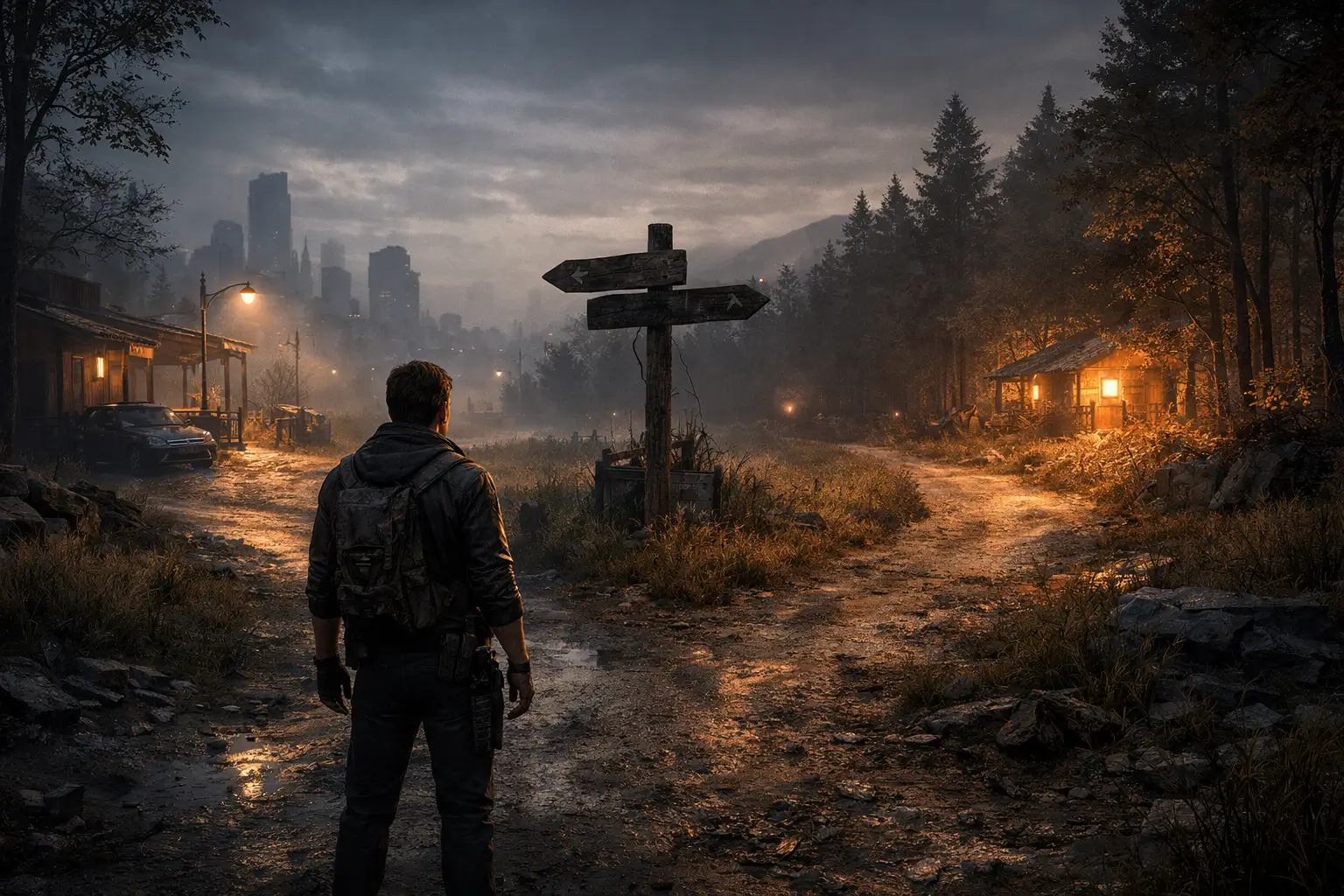
- Player Choices: Decisions shape events, relationships, or endings.
- Immersive Worlds: Environments designed to reflect and enhance the story.
- Emotional Resonance: Narratives evoke feelings that linger beyond gameplay.
The Evolution of Narrative in Games
Early video games had minimal story due to technical limitations. Simple arcade games focused on scores and mechanics rather than plots. However, as technology advanced, developers began experimenting with cinematic storytelling, dynamic characters, and branching paths.
By the 2010s, titles such as “The Last of Us” and “Life is Strange” demonstrated how story-driven games could provide emotional and moral engagement. Today, sophisticated engines enable realistic facial expressions, voice acting, and environmental storytelling, creating worlds that feel alive and responsive to player actions.
Why Players Gravitate Toward Story-Driven Games
Emotional Engagement
Players increasingly seek connections beyond high scores or online rankings. Narrative-driven titles offer deep emotional engagement. By investing in the story and its characters, players experience joy, tension, or catharsis that lasts long after the gameplay ends.
Meaningful Decision-Making
One hallmark of these games is the weight of player choices. Whether ethical dilemmas or strategic decisions, actions taken by players influence story progression, enhancing both immersion and replayability.
Thoughtful Escapism
While all games provide escapism, story-driven games offer it with purpose. Players explore richly crafted worlds, encounter dilemmas, and reflect on complex scenarios, making the experience both entertaining and intellectually stimulating.
Popular Subgenres
Story-driven experiences vary widely, each offering a distinct approach to narrative:
- Linear Narrative: Focused, controlled stories for cinematic effect.
- Branching Narrative: Multiple endings shaped by player choices.
- Open-World Narrative: Stories revealed organically through exploration.
- Interactive Drama: Emphasis on dialogue, relationships, and emotional complexity.
Indie Developers and Narrative Innovation
Indie studios have pushed the boundaries of story-driven games. With more creative freedom, smaller teams experiment with unconventional stories, innovative mechanics, and emotional depth. This has produced critically acclaimed titles that often challenge mainstream narratives while resonating strongly with players.
Psychological Impact and Player Connection
Engaging narratives in games influence empathy, decision-making, and moral reflection. Story-driven games encourage players to reflect on choices and consequences, creating a lasting impression beyond the virtual environment. Developers now often consult psychologists and writers to craft emotionally and intellectually stimulating experiences.
Story-Driven Games Across Platforms
Accessible on PC, consoles, and mobile devices, narrative-driven games cater to diverse audiences. Mobile adaptations offer shorter, touch-friendly experiences, while consoles and PCs provide cinematic immersion and high-fidelity storytelling.
Transition to Part Two
Having explored the defining features, history, and appeal of story-driven games, the next section will highlight popular titles in 2026, provide guidance on choosing the right game, and examine emerging trends shaping the future of narrative gaming.
Exploring Popular Titles in 2026
Continuing from the previous section, it is important to see how story-driven games are implemented in actual titles. The following examples illustrate how developers integrate narrative depth with gameplay mechanics to create immersive experiences.
1. CyberEcho: Memories of Tomorrow
CyberEcho merges a futuristic setting with a personal story about identity and memory. Players’ choices influence outcomes across multiple character arcs, demonstrating the narrative power of story-driven games.
2. Eternal Horizons
This open-world game lets players explore a post-apocalyptic universe. Storylines unfold through missions and exploration, with player decisions shaping outcomes and multiple possible endings, emphasizing meaningful narrative engagement.
3. Whispers of the Forgotten
An indie title focusing on emotional storytelling, Whispers of the Forgotten places players in the role of a protagonist facing past trauma. Minimalistic gameplay ensures that narrative remains central, exemplifying innovation in story-driven games.
Choosing the Right Story-Driven Game
With many options available, selecting a suitable story-driven game can be daunting. Consider these guidelines:
- Narrative Style: Decide if you prefer linear, branching, or open-world storytelling.
- Gameplay Mechanics: Ensure the gameplay aligns with your preference—combat, puzzles, or dialogue-focused.
- Replay Value: Titles with multiple outcomes or consequences offer extended engagement.
- Reviews: Check insights on character development and narrative depth.
Platforms and Accessibility
Story-driven games are accessible on PC, consoles, and mobile devices. PCs offer high-fidelity graphics and mod support, consoles deliver cinematic gameplay, and mobile platforms provide casual, portable narrative experiences.
Emerging Trends
The 2026 landscape shows several trends in story-driven games:
- AI-Generated Narratives: Adaptive storytelling reacts dynamically to player choices.
- VR Immersion: Virtual reality creates physically engaging narrative experiences.
- Cross-Media Storytelling: Games tie into films, comics, and books for expanded universes.
- Adaptive Soundtracks: Music and effects respond to player decisions for emotional impact.
- Psychologically Informed Story Design: Collaborations with psychologists to enhance emotional resonance.
Expanding Genres
The influence of story-driven games extends to multiple genres, including:
- Action Games: Integrated backstory for character motivation.
- RPGs: Choices affect world politics, alliances, and story outcomes.
- Adventure/Puzzle: Narratives embedded within environmental exploration.
- Simulation/Strategy: Story layers enhance engagement and immersion.
Impact on the Industry
In 2026, story-driven games have transformed expectations for gaming. Strong narratives attract diverse audiences, encourage long-term engagement, and elevate games as a form of art. Studios of all sizes now prioritize narrative design alongside graphics and mechanics.
Recommended Resources
- IGN – Reviews and news for story-driven titles.
- Game Developer – Insights into narrative design.
- Metacritic – Aggregated reviews with narrative ratings.
Conclusion
By 2026, story-driven games are no longer niche—they shape the way players experience interactive storytelling. Combining emotional depth, meaningful choices, and immersive worlds, they provide engagement that extends beyond gameplay. Whether seeking moral dilemmas, cinematic adventure, or reflective narratives, these games offer experiences unmatched by other media. Dive into the world of story-driven games and discover your next unforgettable journey.