The Return of Single Player Games in 2026: Why Solo Gaming Still Matters
Part One: The Evolution of Solo Gaming Experiences
What Defines a Single-Player Experience?
Games built for solo play are designed to be enjoyed independently, without requiring constant internet access or interaction with other players. They emphasize narrative depth, exploration, character growth, and player-driven progression. Unlike competitive online formats, these titles allow players to move forward at their own pace, without external pressure or limited-time objectives.
Over the past decade, this style of gaming has grown more sophisticated. Developers now deliver cinematic storytelling, moral decision-making, and expansive worlds that respond naturally to player actions, ensuring these experiences remain relevant even as online gaming expanded rapidly.
Why Solo Titles Never Truly Faded Away
Despite frequent claims that online gaming would eventually replace offline play, individual-focused titles never disappeared. Instead, they adapted to changing player expectations. Large studios continued producing narrative-driven projects, while independent developers pushed creative boundaries with fresh ideas.
By 2026, many players actively seek offline-focused games as a way to step away from toxic competition, endless updates, and constant connectivity. For those with unreliable internet access, the ability to play uninterrupted remains a major advantage.
Storytelling as the Heart of the Experience
One of the strongest reasons these games endure is their emphasis on storytelling. Modern titles rival films and novels in emotional impact, offering carefully written characters and meaningful arcs. Players are not simply controlling avatars; they are experiencing complete narratives shaped by choice and consequence.
From deep role-playing adventures to atmospheric exploration games, story-driven experiences provide emotional engagement that multiplayer formats often struggle to replicate.
Relaxation and Mental Focus Through Solo Play
For many players, gaming serves as a form of relaxation. Offline-focused titles excel in this role by removing leaderboards, rankings, and social pressure. Players can pause, reflect, and enjoy the experience without stress.
In 2026, a growing number of gamers balance online play with quieter single-player experiences to avoid burnout. This balance has contributed to the lasting popularity of solo-focused games.
According to general gaming trends discussed on platforms such as
Wikipedia, individual-focused gameplay remains a foundational part of the industry.
The Future of Single Player Games in 2026
Technology Enhancing Individual Experiences
Advances in artificial intelligence, physics simulation, and graphics engines have transformed how modern solo games feel. Non-playable characters behave more naturally, environments respond dynamically, and player decisions carry visible consequences throughout the game world.
Smarter AI systems now create believable companions and enemies, making individual gameplay more immersive and emotionally engaging than ever before.
Open Worlds Without Competitive Pressure
Open-world design has become a defining feature of many modern solo titles. Unlike online shared worlds, these environments allow complete freedom without interruptions from other players or mandatory social systems.
Players can explore at their own pace, experiment freely, and fully immerse themselves in the world, making these games ideal for long, uninterrupted sessions.
Independent Developers and Creative Freedom
Independent studios continue to play a crucial role in shaping the future of solo gaming. Free from live-service expectations, smaller teams focus on emotional storytelling, experimental mechanics, and artistic expression.
Many of the most memorable titles in recent years emerged from indie developers willing to take creative risks that larger studios often avoid.
Fair Monetization Models
One of the major strengths of offline-focused titles is transparent monetization. Most offer a complete experience at purchase, without aggressive microtransactions or artificial progression barriers.
As players become more cautious about spending, this approach builds trust and reinforces long-term loyalty between developers and their audiences.
Why These Games Still Matter to the Industry
The gaming industry depends on variety. Without narrative-driven solo experiences, gaming would lose much of its artistic depth. These titles push storytelling forward and attract players who may not enjoy competitive or social gameplay.
Even major publishers continue investing in Single Player Games because they generate lasting brand loyalty and critical recognition.
For more insights into different gaming genres, visit our internal guide:
Games Section.
The Importance of Player Choice
One of the most notable developments in modern solo titles is the emphasis on meaningful choice. Rather than following rigid narratives, players now influence story outcomes, character relationships, and world events.
This sense of agency creates stronger emotional investment, making each playthrough feel personal and unique.
Replay Value Without Online Dependence
Replayability is no longer exclusive to multiplayer games. Many offline titles feature branching narratives, hidden paths, and alternative endings that encourage multiple playthroughs.
This design respects the player’s time while offering long-term value without requiring constant connectivity.
Accessibility and Global Reach
Accessibility features such as adjustable difficulty, customizable controls, and offline play have become standard in many solo-focused games. These options make gaming more inclusive and approachable for a wider audience.
In regions with limited internet infrastructure, offline gameplay remains essential, ensuring these experiences remain globally relevant.
Immersion as a Defining Strength
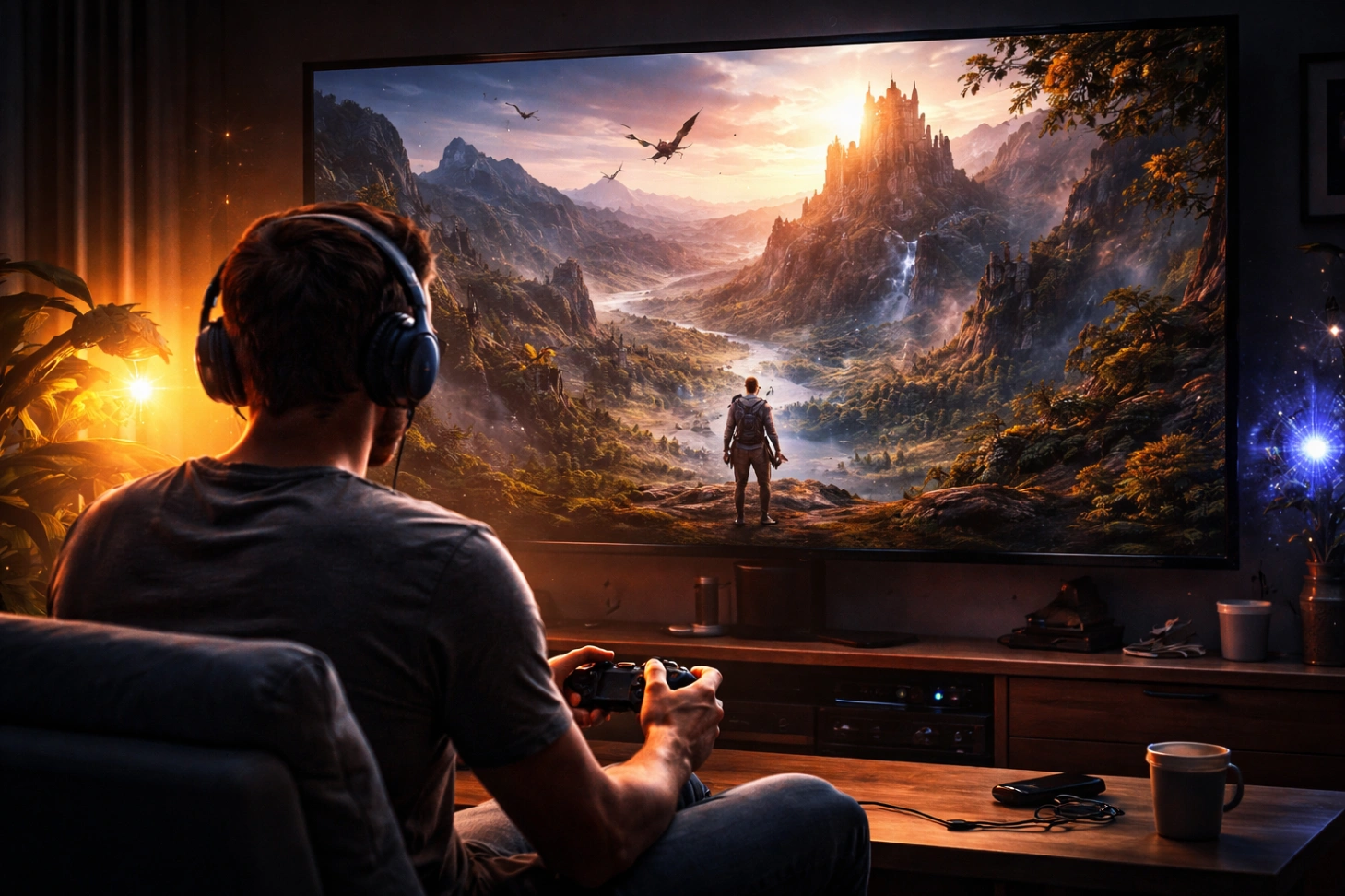
Without chat systems or competitive distractions, immersion becomes the core strength of solo gaming. Sound design, pacing, and environmental storytelling combine to create deeply engaging worlds.
These experiences often feel closer to interactive novels or films than traditional games.
Trust and Player Confidence
Players trust solo-focused titles because they deliver complete experiences without manipulative engagement systems. This trust has strengthened the relationship between gamers and developers who consistently release polished, self-contained projects.
An Ideal Starting Point for New Players
For newcomers, individual-focused games provide a comfortable entry into gaming. They allow players to learn mechanics gradually, without competitive anxiety or social pressure.
In 2026, many players still begin their gaming journey through story-driven solo experiences before exploring other genres.
Final Thoughts
Single Player Games are not competing with online experiences; they complement them. In 2026, they stand as proof that gaming is not only about shared competition, but also about personal journeys and meaningful stories.
For players who value immersion, creativity, and narrative depth, solo gaming continues to offer something timeless and irreplaceable.