
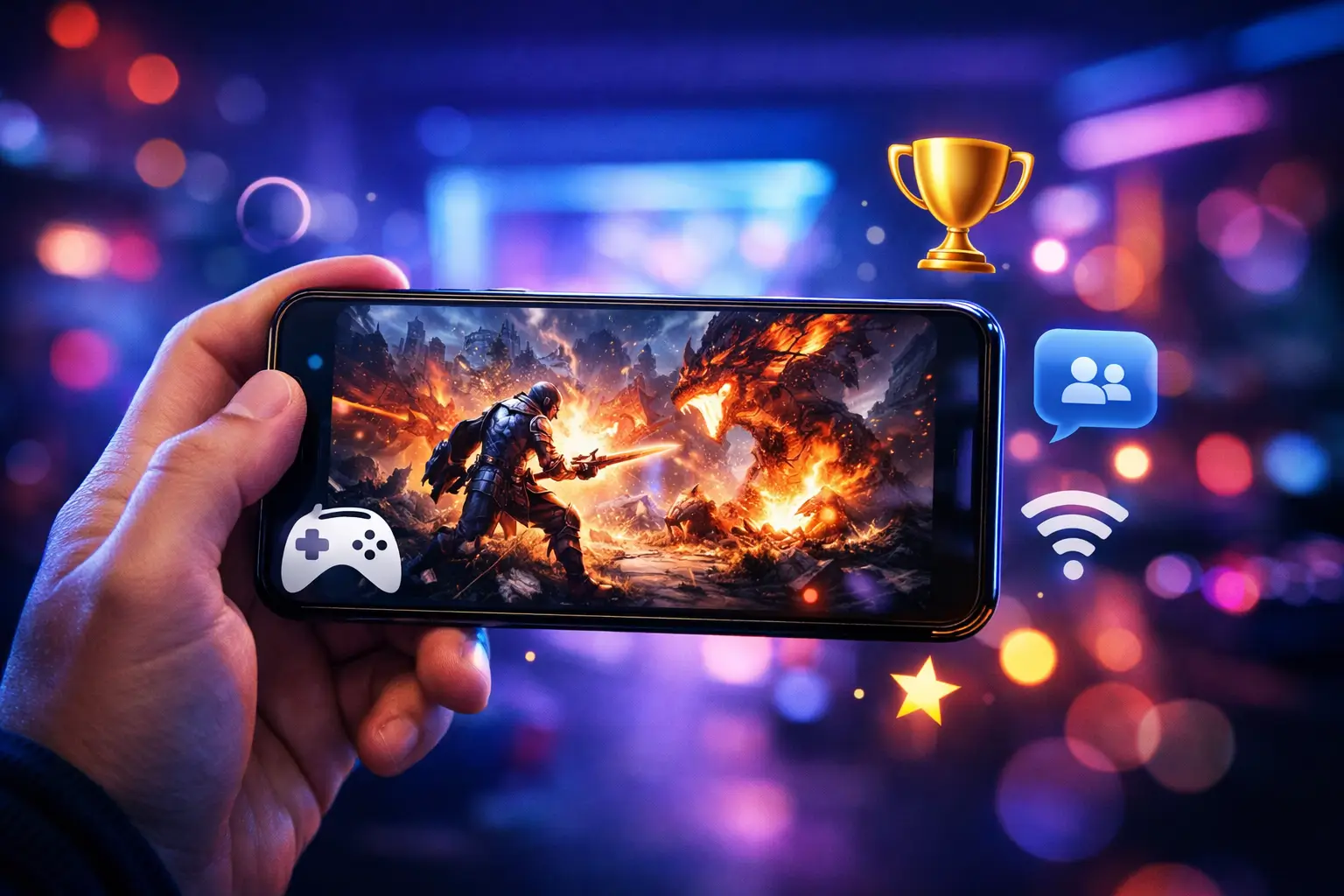
Mobile Video Games: How Mobile Gaming Changed the Way We Play
The Early Days of Mobile Video Games
In the early days of mobile phones, gaming was extremely limited. Small screens, weak processors, and physical keypads restricted what developers could create. Early mobile video games were simple, repetitive, and designed only to pass time. Despite these limitations, they introduced the idea that games could exist beyond consoles and PCs.
As mobile phones slowly became smarter, developers started experimenting with better visuals and more engaging mechanics. The introduction of touchscreens marked a turning point, allowing players to interact with games in a more intuitive way. This shift laid the foundation for modern mobile gaming.
The Smartphone Revolution and Its Impact
The rise of smartphones completely transformed mobile video games. Powerful processors, high-resolution displays, and advanced graphics chips enabled developers to create experiences that were once impossible on mobile devices. Games became more detailed, more responsive, and far more immersive.
Equally important was the growth of mobile internet. Faster connections allowed online multiplayer features, cloud saving, and live updates. Mobile video games stopped being isolated experiences and became connected, evolving platforms that changed over time.
Why Mobile Video Games Attract Such a Wide Audience
One of the biggest reasons mobile video games are so popular is convenience. Unlike traditional gaming platforms, mobile games do not require planning or setup. Players can start a game instantly, whether they have two minutes or two hours to spare.
Mobile gaming also removes financial barriers. Many mobile video games are free to play, allowing anyone to try them without risk. This accessibility attracts casual players who may never invest in consoles or gaming PCs, significantly expanding the gaming audience.
Android and iOS: Two Different Mobile Gaming Worlds
Android Mobile Gaming
Android dominates the global smartphone market, making it the largest platform for mobile video games. The wide range of Android devices ensures that mobile gaming reaches players from different regions and economic backgrounds. From entry-level phones to premium devices, Android supports a massive and diverse player base.
Developers often favor Android for experimentation and large-scale releases. The platform’s flexibility allows frequent updates, regional customization, and diverse monetization strategies.
iOS Mobile Gaming
iOS mobile video games are often associated with polish and performance stability. Apple’s tightly controlled ecosystem encourages optimization and consistent user experience. As a result, many mobile games feel smoother and more refined on iOS devices.
Although the iOS audience is smaller globally, it remains extremely valuable due to higher engagement and spending habits. This makes iOS a critical platform for premium mobile gaming experiences.
Popular Genres in Mobile Video Games
Casual Mobile Games
Casual mobile video games are designed to be accessible and stress-free. They require little commitment and can be enjoyed in short bursts. This genre appeals to players who want entertainment without complex mechanics or long learning curves.
Because of their simplicity, casual games often attract players who do not identify as gamers, making them a key driver of mobile gaming’s global success.
Action-Oriented Mobile Games
Action mobile video games have evolved dramatically over time. Improved touch controls, motion sensors, and controller support allow for fast-paced gameplay that feels responsive and engaging.
These games often feature real-time combat, skill-based mechanics, and competitive modes, proving that mobile devices can handle intense gaming experiences.
Role-Playing Games on Mobile
Mobile RPGs focus on long-term progression and player investment. Characters grow stronger over time, stories unfold gradually, and regular updates keep the experience fresh.
Many players return to RPG mobile video games daily, building routines around quests, events, and progression systems.
Strategy and Simulation Games
Strategy mobile video games emphasize planning, decision-making, and resource management. These games reward patience and thoughtful play rather than quick reflexes.
Simulation games, on the other hand, allow players to build, manage, and experiment in virtual environments, offering relaxing yet engaging experiences.
Online Features and Social Interaction
Modern mobile video games are rarely played alone. Online features connect players across the world, allowing cooperation, competition, and social interaction. Friends lists, clans, and in-game chat systems create communities that extend beyond the game itself.
This social aspect is one of the strongest reasons players stay engaged with mobile games over long periods. Games become shared experiences rather than isolated activities.
How Mobile Video Games Are Monetized
Most mobile video games rely on the free-to-play model. Players can download and enjoy the game without upfront cost, while optional purchases support development and updates.
Common monetization methods include cosmetic items, progression boosts, and optional content expansions. When balanced properly, these systems allow fair gameplay while sustaining the game’s future.
Advertisements in Mobile Games
Advertising is another major revenue source in mobile gaming. Many games include ads to keep the experience free for players. Rewarded advertisements, in particular, are widely accepted because they give players a choice.
Responsible ad placement is essential. Excessive or intrusive ads can negatively impact user experience and long-term retention.
The Benefits of Playing Mobile Video Games
Despite common criticism, mobile video games offer real benefits when played responsibly. Many players use games to relax after stressful days or to enjoy brief mental breaks.
Certain mobile games improve problem-solving skills, reaction time, and strategic thinking. Multiplayer games also encourage communication and teamwork.
Mobile Video Games as a Social Experience
One of the most noticeable changes in mobile video games over recent years is the strong focus on social interaction. Games are no longer isolated experiences played alone for a few minutes. Instead, they have become shared digital spaces where players communicate, cooperate, and compete with others.
Features such as friend systems, guilds, co-op modes, and online matchmaking allow players to form long-term connections. For many users, mobile video games are not only about gameplay, but also about belonging to a community and sharing progress with others.
This social layer adds depth to mobile gaming and increases engagement over time. Players often return not just for rewards or progression, but to interact with friends and teammates.
The Role of Updates and Live Content
Unlike traditional games that remain mostly unchanged after release, mobile video games are constantly evolving. Regular updates introduce new content, balance changes, seasonal events, and quality-of-life improvements.
This live-service approach keeps mobile games fresh and relevant. Players feel that the game world is active and growing, which encourages long-term commitment rather than short-term play.
Events and limited-time content also create a sense of urgency and excitement, motivating players to return frequently and stay involved with the game.
Mobile Esports and Competitive Gaming
Competitive mobile gaming has grown rapidly and gained global recognition. Mobile esports tournaments attract professional players, sponsors, and large online audiences. These events prove that mobile video games can offer skill-based competition at a high level.
Ranked modes, ladders, and seasonal rewards give competitive players clear goals and progression paths. This structure adds depth and replayability to many mobile titles.
The rise of mobile esports has also changed public perception. Mobile gaming is now seen as a legitimate competitive platform rather than a casual alternative.
Mobile Video Games and Player Creativity
Many mobile video games encourage creativity through customization, building systems, and user-generated content. Players can personalize characters, design environments, or experiment with different playstyles.
This freedom allows players to express themselves and creates unique experiences for each user. Creative systems often lead to unexpected gameplay moments that keep players engaged over long periods.
Games that support creativity tend to develop stronger communities, as players share ideas, designs, and strategies with one another.
The Impact of Mobile Gaming on Daily Life
Mobile video games have blended naturally into daily routines. Because smartphones are always accessible, gaming fits into moments that were previously unused or unproductive.
Short sessions during breaks, travel, or relaxation time make mobile gaming a flexible form of entertainment. This adaptability is one of the key reasons mobile video games continue to grow globally.
Rather than replacing other forms of gaming, mobile video games complement them by offering experiences that suit different situations and time constraints.
Technology Driving the Future of Mobile Video Games
Advancements in mobile hardware continue to push the limits of what mobile video games can achieve. Improved processors, better graphics performance, and higher refresh-rate displays allow more complex and visually impressive games.
Cloud gaming technology is also expanding the possibilities of mobile gaming. By streaming games from remote servers, mobile devices can access experiences that would otherwise require powerful hardware.
These technological developments will further blur the line between mobile, console, and PC gaming.
Cross-Platform Play and Connected Gaming
Cross-platform functionality is becoming more common in mobile video games. Players can now interact with others across different devices, creating unified gaming ecosystems.
This connectivity allows progress to be shared between platforms and gives players more freedom in how and where they play. Cross-platform play strengthens communities and increases the lifespan of games.
As this trend continues, mobile gaming will become even more integrated into the broader gaming industry.
Final Thoughts
Mobile video games have grown into a powerful and diverse form of entertainment that continues to shape the gaming landscape. Their success is built on accessibility, constant innovation, and the ability to adapt to players’ lifestyles.
As technology evolves and player expectations change, mobile video games will continue to expand in scale and depth, offering experiences that are richer, more connected, and more engaging than ever before.
Related articles : Online Gaming Experience: How Online Games Became Shared Digital Worlds 2026
Our YouTube channel : Phnxhub