Cloud Gaming in 2026: How Games Are Played Without Hardware Limits
What Cloud Gaming Really Is
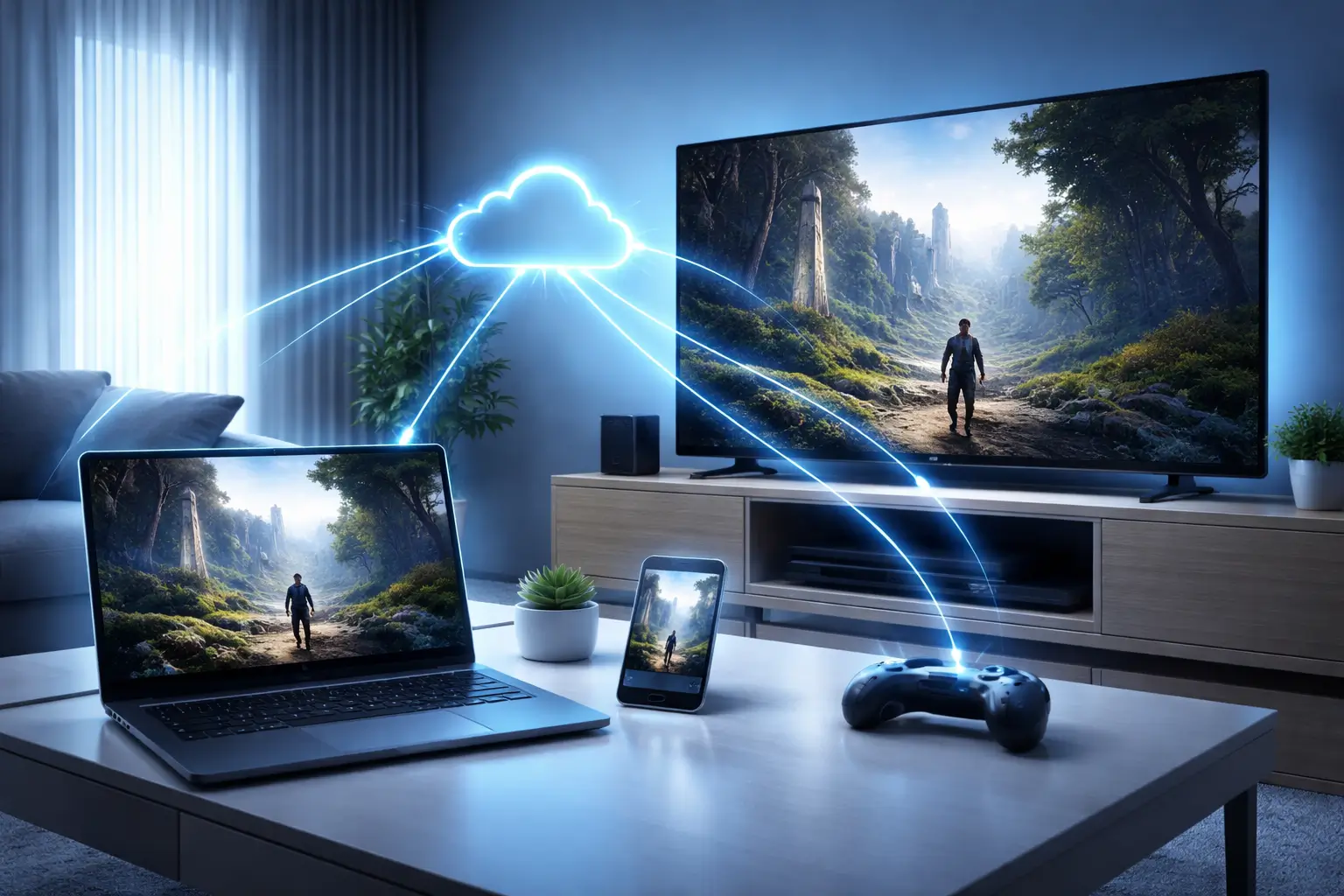
Cloud gaming is a technology that allows games to run on remote servers instead of local hardware. The game itself is processed in data centers equipped with high-end CPUs and GPUs. What the player receives is a live video stream of the game, similar to watching a video online, but with full interactivity.
When you press a button or move a joystick, that input is sent to the server instantly. The server processes the action and streams the updated image back to your screen. This entire process happens in milliseconds, which is why a stable and fast internet connection is essential.
The biggest advantage of this model is freedom from hardware limitations. Devices that could never run modern games on their own can now handle demanding titles without issues.
Why Cloud Gaming Matters More Than Ever in 2026
Several factors have pushed this gaming model into the spotlight in recent years. Hardware prices have increased, new consoles are harder to find in some regions, and game file sizes continue to grow. Installing a single game can now take hours, even with fast internet.
Streaming games removes many of these barriers. There is no need to download massive files or worry about storage space. Players can start playing almost instantly, which makes gaming more accessible to casual audiences.
In regions where high-end gaming hardware is expensive or unavailable, server-hosted gaming opens the door to experiences that were previously out of reach. This is especially important in countries where PC components are heavily taxed or supply is limited.
Main Benefits of Cloud Gaming
There are several reasons why players are showing growing interest in streaming games instead of relying on traditional hardware:
- Lower entry cost: No need to buy expensive consoles or gaming PCs.
- Instant play: Games launch without long downloads or updates.
- Device flexibility: Play on laptops, tablets, smartphones, or smart TVs.
- Cross-platform continuity: Continue your progress on different devices.
These benefits make cloud-based gaming especially attractive to players who value convenience over maximum performance. It also reduces the need for constant hardware upgrades, which is a major advantage for players who prefer to focus on gaming rather than maintenance.
Common Concerns and Realistic Limitations
Despite its advantages, streaming games is not perfect. Internet quality plays a crucial role in the experience. A weak or unstable connection can cause input delay, image compression, or sudden disconnections.
Another concern is data usage. Streaming games at high resolutions consumes a significant amount of bandwidth. Players with limited internet plans may need to monitor their usage carefully. Some providers even throttle speeds after certain limits, which can affect gameplay.
For competitive players, even small delays can make a noticeable difference. This is why remote gaming is often better suited for single-player or casual multiplayer games. For esports and high-speed shooters, local hardware still provides the best experience.
Technical Requirements for a Smooth Experience
To get the best results from game streaming, players should focus on a few technical basics:
- Internet speed: At least 50 Mbps for stable HD streaming.
- Low latency: Ideally below 40 milliseconds.
- Connection type: Wired Ethernet connections are recommended.
- Modern router: Wi-Fi 6 improves stability if Ethernet is not available.
Meeting these requirements significantly improves responsiveness and visual quality. For players using Wi-Fi, placing the router in a central location and reducing interference from other devices can also help.
Cloud Gaming Compared to Traditional Gaming
Traditional gaming platforms still offer advantages such as offline play, zero streaming delay, and full control over hardware settings. For enthusiasts and competitive players, consoles and PCs remain the best option.
However, cloud gaming competes in a different way. It focuses on accessibility, ease of use, and flexibility. For players who want to enjoy games without managing hardware, this model is a practical alternative.
It also changes the way games are purchased. Instead of buying physical copies or digital downloads, many players subscribe to a library of titles. This subscription approach is similar to how streaming services work for movies and TV shows.
Major Cloud Gaming Platforms in 2026
Xbox Cloud Gaming
Xbox Cloud Gaming is one of the most established services available today. It offers access to a large library of games through a subscription model and delivers consistent performance across many regions.
Official Xbox Cloud Gaming Website
NVIDIA GeForce NOW
NVIDIA GeForce NOW focuses on PC gamers who already own games on digital stores. It allows them to stream those games without upgrading their hardware.
Amazon Luna
Amazon Luna emphasizes simplicity and browser-based access. It is designed for users who want minimal setup and a straightforward gaming experience.
Each platform approaches this technology differently, giving players multiple options depending on their needs and preferences. Some focus on subscription libraries, while others emphasize using existing game libraries.
How to Improve Streaming Performance
While modern platforms have made cloud-based gaming more reliable than ever, the quality of the experience still depends on how players set up their network and devices. Small adjustments can lead to noticeable improvements in responsiveness and visual clarity.
Use a Wired Connection Whenever Possible
Although Wi-Fi technology has improved, wired Ethernet connections remain the most stable option. A direct connection to the router reduces interference, packet loss, and sudden drops in quality. For players who take gaming seriously, this single change can make a major difference.
Optimize Network Usage
Streaming games relies on continuous data flow. Streaming videos, downloading files, or having multiple users on the same network can increase latency. Closing unnecessary applications and limiting background traffic helps maintain smooth gameplay.
Adjust Streaming Settings
Most platforms allow users to adjust resolution and streaming quality. Lowering resolution slightly can reduce bandwidth usage and improve responsiveness, especially on slower connections. In some cases, a slight drop in visual quality is worth the gain in stability.
Choosing the Right Games for Cloud Streaming
Not all games perform equally well in remote environments. Understanding which genres work best helps players avoid frustration and enjoy the technology as intended.
Story-driven games, RPGs, simulation titles, and turn-based strategy games are excellent choices. These genres are less sensitive to small delays and maintain immersion even if latency fluctuates.
Fast-paced competitive shooters and reaction-heavy fighting games require extremely low latency. While they are playable through streaming under ideal conditions, they may not offer the same precision as local hardware.
Accessibility and Inclusion Through Streaming
One of the most overlooked advantages of cloud gaming is accessibility. Players with physical limitations or limited access to high-end hardware can still enjoy modern games. The ability to play on multiple devices also allows for more flexible gaming habits.
This accessibility expands the gaming audience and allows developers to reach players who were previously excluded due to hardware costs or technical barriers. It also encourages more players to explore new genres and experiences.
The Subscription Model and Game Ownership
Cloud platforms often rely on subscription-based access rather than traditional ownership. Players pay a monthly fee to access a library of games instead of purchasing individual titles.
This model offers convenience and cost savings but also changes the relationship between players and games. Access depends on active subscriptions, and games may be removed from libraries over time.
For many players, the benefits outweigh the drawbacks, especially those who enjoy trying a wide variety of games rather than focusing on ownership. However, players who prefer collecting and owning games may still choose traditional purchases.
Security and Privacy Considerations
Because streaming games operates through online servers, security and privacy are important considerations. Reputable platforms invest heavily in data protection and secure connections.
Players should still take basic precautions, such as using strong passwords and enabling two-factor authentication when available. It is also wise to monitor account activity and avoid sharing login details.
How Developers Are Adapting
As this model grows, developers are starting to design games with streaming in mind. This includes optimizing user interfaces, reducing input sensitivity where possible, and improving scalability.
Some developers are experimenting with features that are only possible in remote environments, such as large-scale simulations and persistent shared worlds powered by server-side processing.
The Role of 5G and Future Infrastructure
The expansion of 5G networks plays a major role in the future of streaming games. Faster mobile internet and lower latency allow players to enjoy high-quality streaming without relying on home networks.
Edge computing, where servers are placed closer to users, also reduces response times. These technologies combined will make cloud-based gaming more consistent across different regions.
Is This the Future of Gaming?
While streaming games is unlikely to fully replace consoles and PCs in the near future, it is becoming a permanent part of the gaming ecosystem. It offers an alternative way to play that prioritizes accessibility and convenience.
For casual players, travelers, and users with limited hardware budgets, this approach is already a practical solution. For enthusiasts, it serves as a complementary option rather than a replacement.
Final Thoughts
Cloud gaming in 2026 represents a shift in how games are delivered and experienced. It removes hardware barriers, simplifies access, and opens the door for new types of players and experiences.
As technology continues to improve, streaming will only become more refined. Whether it becomes the dominant form of gaming or remains a strong altCloud gaming setup showing laptop, smartphone, and smart TV connected through cloud network linesernative, its impact on the industry is undeniable.
Related Articles
- Mobile Video Games: The Complete Guide to Mobile Gaming in 2026
- Online Gaming Experience: How Online Games Became Shared Digital Worlds 2026