Anime Visual Symbolism: How Imagery and Subtle Details Tell Powerful Stories
What Is Visual Symbolism in Anime?
Visual symbolism refers to the use of images, colors, objects, and composition to represent ideas beyond their literal meaning. In anime, symbolism is rarely accidental. Every detail—from background elements to lighting choices—can contribute to the story’s emotional and thematic layers.
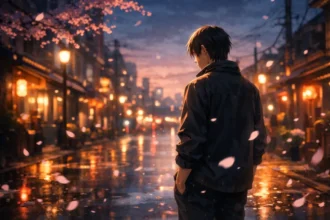
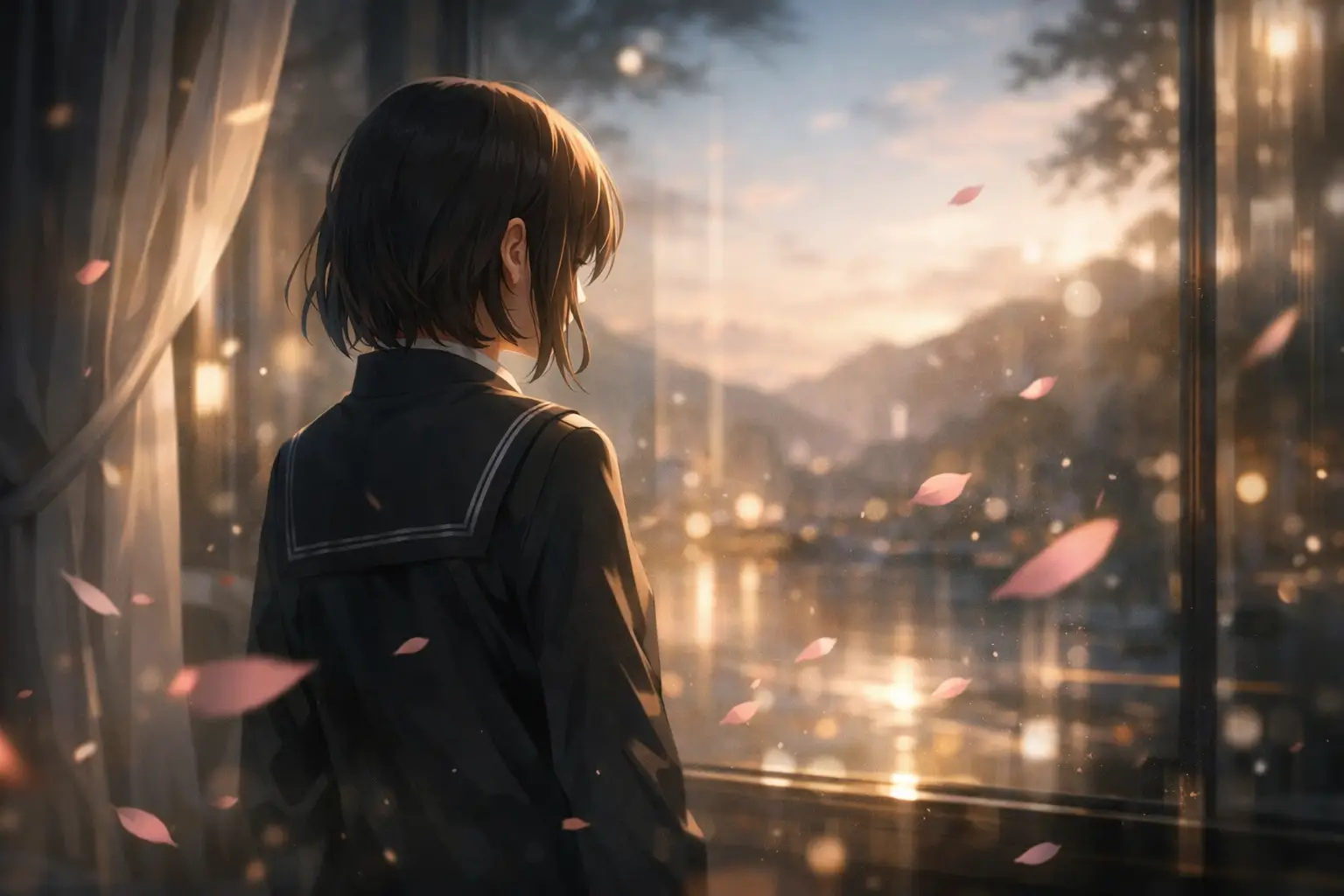
For example, a character standing alone beneath a wide sky may symbolize isolation or emotional distance. A broken mirror can reflect identity struggles, while changing seasons often mirror internal transformation. These visual cues work quietly in the background, shaping how the viewer understands the story without ever spelling it out.
Why Anime Relies So Heavily on Visual Storytelling
Anime as a medium is uniquely suited for symbolic storytelling. Unlike live-action productions, anime is not limited by physical constraints. Artists can exaggerate reality, manipulate color palettes, and design environments that exist purely to serve narrative meaning.
This freedom allows creators to prioritize mood and subtext. In many series, important emotional shifts occur during moments of silence, where visuals take center stage. The audience is trusted to notice patterns, remember recurring images, and draw their own conclusions.
This approach aligns closely with what many fans appreciate about anime: it respects the viewer’s intelligence. Instead of over-explaining themes, anime often lets symbolism speak for itself.
The Role of Color in Anime Visual Symbolism
Color is one of the most immediate and emotionally powerful tools in anime visual symbolism. Specific color choices are often tied to characters, emotions, or narrative states.
Muted or desaturated colors may represent emotional numbness, grief, or stagnation. In contrast, vibrant colors often signal freedom, hope, or emotional clarity. Sudden shifts in color palette can indicate internal change, even when the character’s actions remain the same.
Red, for instance, is frequently associated with intense emotion—love, anger, danger, or sacrifice. Blue often conveys calm, loneliness, or introspection. These associations are not universal rules, but when used consistently, they create a visual language that viewers learn to read subconsciously.
Symbolic Objects and Repetition
One of the most effective uses of anime visual symbolism is the repetition of symbolic objects. When an item appears multiple times throughout a series, its meaning evolves alongside the characters.
A simple object like a notebook, a pair of headphones, or a childhood photograph can become emotionally charged through context.
The object itself may remain unchanged, but its significance deepens as the story progresses.This technique allows anime to track emotional growth without relying on exposition. Viewers remember earlier scenes and connect them to later moments, creating a sense of continuity and emotional payoff
Framing, Space, and Silence
How a scene is framed can be just as meaningful as what appears within it. Anime frequently uses empty space, distant camera angles, or off-center composition to communicate emotional states.
Characters placed at the edge of the frame may feel disconnected from their environment. Wide shots can emphasize loneliness, while tight close-ups often signal emotional intensity or internal conflict.
Silence plays a crucial role here. By removing dialogue and sound, anime forces the viewer to focus on visual details. These quiet moments often become the most memorable, precisely because they demand attention and interpretation.
Everyday Imagery as Emotional Metaphor
Interestingly, anime does not rely solely on dramatic or fantastical imagery for symbolism. Everyday environments—train stations, classrooms, empty streets—are frequently used as emotional metaphors.
A passing train might represent missed opportunities or the unstoppable flow of time. A classroom after school hours can symbolize nostalgia or emotional absence. These familiar settings ground the symbolism in relatable experiences, making the emotional impact stronger.
This technique connects naturally with themes explored in slice-of-life storytelling. If you’re interested in how ordinary moments carry narrative weight, you may also find value in 7 Ways Everyday Moments in Anime Build Meaningful Stories, which explores a complementary perspective.
Trusting the Audience
At its core, anime visual symbolism is about trust. Creators trust that viewers will notice details, remember earlier scenes, and engage emotionally without constant explanation.
This trust creates a more immersive experience. Instead of passively consuming information, viewers actively participate in constructing meaning. Each rewatch can reveal new layers, making the story feel richer over time.
This is one of the reasons anime often inspires long discussions, analyses, and personal interpretations. The symbolism is not always definitive—it leaves space for emotional resonance rather than rigid answers.
Visual Symbolism and Character Development
Symbolism Versus Direct Explanation
Modern audiences are accustomed to stories that explain their themes directly. Anime often takes a different approach. Visual symbolism allows ideas to exist without being explicitly stated, creating space for interpretation rather than instruction.
This indirect method can be more powerful than clear explanation. When a theme is shown instead of spoken, it invites the viewer to engage emotionally rather than analytically. The message becomes something felt, not just understood.
For creators, this approach also reduces narrative clutter. Scenes can breathe. Silence becomes meaningful. The story flows naturally without stopping to clarify its intentions.
Environmental Symbolism and Atmosphere
Anime environments are rarely neutral. Weather, architecture, and natural elements often reflect the emotional state of the narrative. Rain can signify grief or emotional release, while clear skies may represent hope or acceptance.
Urban settings are frequently portrayed as overwhelming or isolating, filled with crowded spaces and repetitive structures. In contrast, rural or natural environments often symbolize peace, reflection, or emotional honesty. These visual contrasts reinforce thematic tension without relying on dialogue.
This environmental storytelling is closely tied to worldbuilding philosophy. While your earlier article Anime Worldbuilding: How Carefully Crafted Worlds Shape Unforgettable Stories focuses on large-scale settings, symbolism operates on a more intimate level—using surroundings to mirror internal emotion rather than external logic.
Minimalism as a Symbolic Tool
Sometimes what anime chooses not to show is just as important as what it includes. Minimalist scenes, with sparse backgrounds and limited movement, draw attention to emotional nuance.
A single object placed in an otherwise empty frame can carry significant symbolic weight. This restraint prevents visual overload and ensures that symbolic elements stand out clearly. Minimalism also slows the pacing, encouraging reflection rather than distraction.
This technique aligns well with emotionally driven narratives, where subtlety matters more than spectacle. It also contributes to anime’s reputation for thoughtful, contemplative storytelling.
Symbolism and Rewatch Value
One of the defining strengths of visual symbolism is how it enhances rewatchability. Details that may seem insignificant during a first viewing often gain new meaning once the full narrative is understood.
Viewers begin to recognize early visual hints that foreshadow later developments. A recurring image, once overlooked, suddenly feels intentional and layered. This creates a sense of cohesion that rewards long-term engagement.
This quality is one reason anime communities thrive on analysis and discussion. Symbolic storytelling invites interpretation rather than closure, allowing multiple perspectives to coexist.
Balancing Accessibility and Depth
A common misconception is that symbolism makes stories inaccessible. In reality, effective anime symbolism operates on multiple levels. Casual viewers can enjoy the narrative emotionally, while attentive viewers uncover deeper meaning through visual analysis.
The key is balance. Symbolism should enhance the story, not obscure it. When done well, it feels natural rather than forced, intuitive rather than confusing.
This balance is particularly important for platforms that value broad audience appeal, including sites monetized through advertising. Symbolic depth does not conflict with accessibility—it often strengthens emotional engagement.
Trusted External Perspectives on Anime Symbolism
Anime visual symbolism has been widely discussed by critics and scholars. Reputable platforms such as Anime News Network often explore how visual storytelling contributes to anime’s global appeal, while analytical blogs like Sakuga Blog examine animation techniques and visual intent from a production standpoint.
These perspectives reinforce the idea that symbolism is not accidental but deeply rooted in creative decision-making. Understanding this context helps viewers appreciate anime not just as entertainment, but as a deliberate artistic medium.
Why Visual Symbolism Defines Anime’s Identity
At a time when many forms of media prioritize speed and clarity, anime’s reliance on visual symbolism sets it apart. It slows the experience, encourages observation, and invites emotional participation.
Rather than delivering messages directly, anime allows meaning to emerge naturally through imagery, composition, and atmosphere. This approach creates stories that linger long after the final scene.
Ultimately, anime visual symbolism is not about hiding meaning—it is about respecting the viewer. By trusting the audience to see, feel, and interpret, anime achieves a depth that words alone often cannot.
Final Thoughts
Visual symbolism remains one of anime’s most powerful storytelling tools. It transforms simple scenes into emotional experiences and elevates narratives beyond surface-level engagement.
For viewers, learning to recognize symbolic imagery enriches appreciation. For creators, it offers a way to communicate complex ideas with elegance and restraint. And for the medium itself, it reinforces anime’s unique identity as a form of storytelling driven by vision as much as narrative.
In a world filled with noise and explanation, anime’s quiet visual language continues to speak the loudest.