
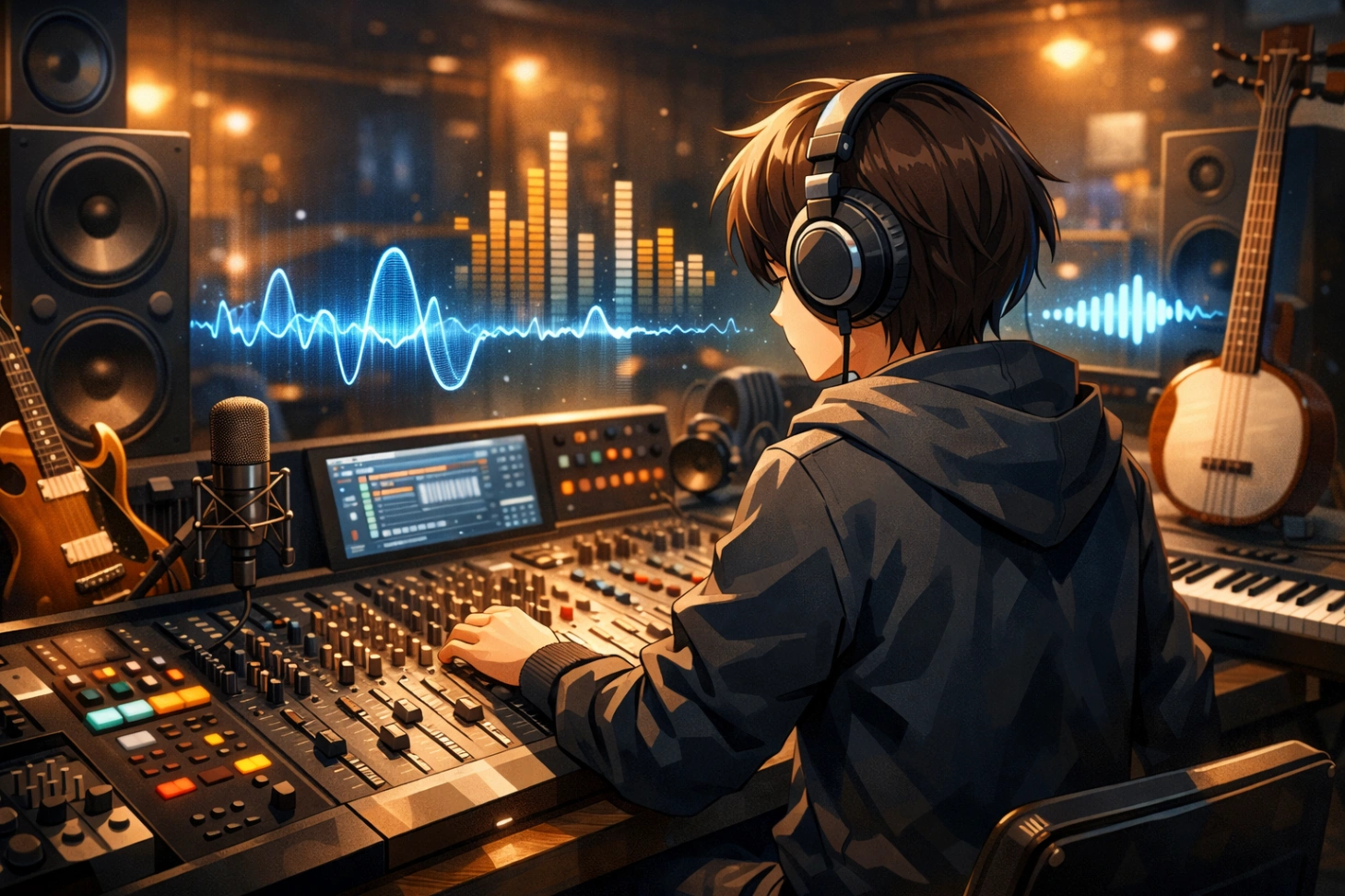
Explore how anime soundtracks and audio design shape mood, emotion, and viewer experience.Mastering Anime Soundtracks: How Incredible Audio Design Elevates Every Scene
Anime is more than its visuals and stories. One of the most underrated but profoundly impactful elements of any anime series is its anime soundtracks. From the opening theme that sets the tone to subtle background music in quiet moments, audio plays a critical role in shaping mood, emphasizing emotion, and enhancing the overall viewing experience.
While many viewers focus on plot or character design, those who pay attention to sound can gain a deeper appreciation for the artistry behind anime. Anime soundtracks are carefully composed, timed, and integrated to ensure each scene resonates with viewers emotionally.
The Role of Music in Anime
Music in anime serves multiple purposes. It can energize, calm, build tension, or evoke nostalgia. The choice of instruments, tempo, and melody all contribute to how a scene feels. For instance, a fast-paced battle scene accompanied by intense percussion creates excitement, while a soft piano track in a contemplative scene evokes introspection.
Openings and endings often introduce anime soundtracks that reflect the theme of the series. Iconic openings not only excite viewers but also become cultural phenomena, remembered long after the series ends.
Types of Anime Soundtracks
Opening Themes
The opening theme, or OP, is the first auditory impression of an anime. Composers carefully select music that reflects the series’ tone, setting, and pacing. A high-energy OP can prepare viewers for action-packed episodes, while a serene melody might indicate a more introspective series.
Ending Themes
Ending themes, or EDs, provide closure for each episode. They often contrast the opening theme, slowing down the pace and allowing viewers to process events emotionally. Some endings become famous for their subtle storytelling through music alone.
Original Soundtrack (OST)
The OST includes background music used throughout episodes. This category contains the bulk of anime soundtracks, carefully timed to scene transitions, dialogue, and emotional beats. Composers often use recurring motifs to reinforce character themes or narrative arcs.
Ambient and Diegetic Sounds
Beyond melodies, ambient sounds such as footsteps, wind, or city noise contribute to immersion. Sound effects integrated seamlessly with music create a cohesive auditory environment that feels natural and engaging.
How Music Sets Mood and Atmosphere
The most effective anime soundtracks enhance the atmosphere without drawing attention to themselves. For example, a quiet conversation between characters might be accompanied by soft strings or piano chords, subtly amplifying emotion without overwhelming the dialogue.
In genres like psychological anime, sound design is particularly crucial. Minor dissonances or subtle background tones can instill tension and unease, intensifying the viewer’s engagement.
Emotional Cues Through Sound
Music is the subconscious guide for viewers’ emotions. Composers use tempo, key changes, and motifs to signal mood shifts. A recurring melody associated with a character can elicit nostalgia or empathy whenever it plays, even without any visual cues.
Examples of effective anime soundtracks include the piano-driven OSTs in emotional dramas and electronic or orchestral compositions in action series. Each is chosen deliberately to maximize impact.
Iconic Anime Soundtracks That Defined Scenes
Certain tracks transcend their series, becoming iconic in pop culture. These tracks are memorable because they capture the essence of a moment perfectly. They demonstrate how anime soundtracks can define a series’ identity as strongly as its characters or plot.
For instance, tracks from long-running series often use leitmotifs to represent characters or themes, reinforcing recognition and emotional response.
The Intersection of Sound and Story
Although not part of the narrative, anime soundtracks interact closely with storytelling. Music pacing aligns with scene pacing, and sudden musical cues can indicate plot twists or emotional shifts. This synergy between audio and visual storytelling ensures that viewers remain fully engaged.
Internal References
For a deeper understanding of how atmosphere and mood influence viewers, you can reference articles like Slice of Life Anime: How Simple Stories Deliver Powerful Emotional Impact and Anime Storytelling Mastery.
Conclusion of Part One
Music in anime is far from incidental. Anime soundtracks shape perception, mood, and emotional engagement. The thoughtful integration of music and sound effects transforms simple visuals into unforgettable experiences. In the next part, we will explore how silence, ambient sound, and genre-specific audio techniques further enhance the anime viewing experience.
Role of Silence and Ambient Sounds
While music is central, silence and subtle ambient sounds are equally powerful in anime. A quiet moment can speak volumes, allowing viewers to focus on character expressions or environmental details. The absence of music often highlights tension or introspection, creating a natural ebb and flow in the episode’s pacing.
Ambient noises, such as birds chirping, the hum of a city, or raindrops, enhance realism and immersion. These background sounds, when carefully designed, make viewers feel present in the scene without needing explicit exposition.
Voice Acting and Sound Effects Integration
Voice acting, or seiyuu performances, combined with sound effects, shapes how audiences perceive emotion. The timbre, pitch, and pacing of dialogue, matched with footsteps, clashes, or environmental effects, contribute to a coherent auditory world. This integration allows anime creators to evoke complex feelings subtly, supporting the story without dominating it.
Music Across Genres
Different anime genres use audio distinctively. Action series often favor orchestral or electronic tracks to heighten excitement, while slice-of-life anime rely on soft piano, acoustic instruments, or minimalistic tunes to reflect everyday life. Even within the same genre, careful choices in tempo, instrumentation, and mixing can dramatically change how viewers emotionally respond.
Psychological and horror anime often play with dissonance and unexpected sounds, making viewers feel unease or anticipation. In contrast, comedic series may exaggerate sound effects for humor, reinforcing timing and visual gags. This genre-specific approach demonstrates that sound is more than decoration; it’s a functional storytelling tool.
How Sound Enhances Cultural Context
Music and audio also reflect cultural elements. Traditional instruments, vocal styles, and regional soundscapes can indicate setting and historical context without explicit narration. For instance, a track using shamisen or koto immediately conveys a Japanese historical or cultural theme, immersing viewers more deeply into the anime’s world.
Even contemporary series often integrate popular music trends to resonate with audiences or evoke a certain era, linking sound choices with identity and atmosphere.
Memory Formation and Rewatch Value
Memorable sound design increases rewatchability. Themes associated with specific characters or moments trigger instant recognition and nostalgia. Subtle motifs woven throughout a series can make viewers notice details they may have missed on the first watch, rewarding attentive engagement and enhancing overall appreciation.
Viewer Trust and Consistency
Consistency in audio design builds trust with the audience. Predictable sound motifs, recurring musical themes, and cohesive sound effects create a sense of stability, allowing viewers to immerse themselves fully. When the audio aligns with visual cues, the series feels polished and intentional.
Long-Term Impact of Audio Choices
Carefully curated audio can leave a lasting impression even years after watching. Fans often recall the music of a series as vividly as the visuals or characters. A well-crafted soundtrack, combined with effective sound design, ensures that the anime resonates emotionally and remains culturally relevant.
Internal and External References
For related perspectives, check internal references such as Anime Worldbuilding: How Carefully Crafted Worlds Shape Unforgettable Stories. External reliable resources like Anime News Network also provide industry insights on sound design and composition.
Final Thoughts
Anime is an audiovisual medium, and music and sound play a crucial role in shaping the viewer’s experience. While anime soundtracks are important, the integration of ambient sounds, silence, and voice performances contributes equally to immersion and emotional impact. Together, these elements form a cohesive and memorable experience, proving that sound in anime is far more than just background—it’s a core component of storytelling and audience engagement.