Anime Perspective: How Storytelling and Viewpoint Enhance Emotion and Meaning
Anime is widely celebrated for its stunning visuals, imaginative worlds, and profound emotional resonance. Yet beyond art and plot, one of the medium’s most compelling features lies in perspective—how a story is experienced by viewers and through which lens events unfold. Anime perspective determines not only what the audience sees but also what they feel, understand, and infer from a narrative.
Unlike straightforward storytelling in other media, anime frequently experiments with shifting, limited, or subjective viewpoints. These choices transform even simple plots into layered experiences, inviting viewers to question assumptions, empathize with complex characters, and uncover subtle meanings hidden beneath the surface.
What Anime Perspective Means
Anime perspective refers to the specific lens through which a story is presented. It encompasses character viewpoint, narrative framing, visual focus, and even audience alignment. Perspective affects emotional engagement, knowledge of events, and moral interpretation, making it one of the most powerful tools in anime storytelling.
By controlling perspective, creators guide the viewer’s attention, evoke specific emotions, and establish narrative tension. This approach transforms passive viewing into an active experience, encouraging audiences to notice nuance, symbolism, and character motivations.
Limited Perspective: Immersing the Audience
Limited perspective is one of the most effective ways anime draws viewers into its stories. By restricting knowledge to what a particular character sees or knows, the audience experiences confusion, fear, and suspense alongside them. This creates authentic emotional engagement without overt exposition.
Slice-of-life, coming-of-age, and psychological anime often use this approach. Staying close to a character’s subjective experience allows for gradual emotional development, mirroring the pace of real human growth. This aligns with insights from Coming of Age Anime Themes.
Unreliable Narrators and Emotional Complexity
Some anime employ unreliable narrators, presenting events through perspectives that are biased, incomplete, or emotionally distorted. These narrators may lack awareness or avoid confronting uncomfortable truths, creating tension and prompting reflection.
Unreliable perspectives deepen character complexity, explore internal conflict, and engage viewers in active interpretation, allowing meaning to emerge organically rather than being spelled out through dialogue.
Perspective Shifts: Layering Meaning
Shifting perspective is a hallmark of sophisticated anime storytelling. Scenes initially shown from one character’s viewpoint may be revisited from another, revealing emotional, moral, or narrative subtleties. Such shifts allow the audience to reinterpret actions and motives, enriching the story without adding new plot events.
These layered perspectives provide depth, highlighting that meaning in anime often emerges from how a story is experienced rather than from the events themselves.
Aligning Audience Emotion and Moral Insight
Anime perspective shapes how viewers interpret character actions and moral decisions. By aligning the audience with a specific character, even morally ambiguous actions can be understood, fostering empathy and critical thinking. This technique balances narrative engagement with ethical reflection, particularly in introspective or psychological stories.
Visual Perspective: Silent Storytelling
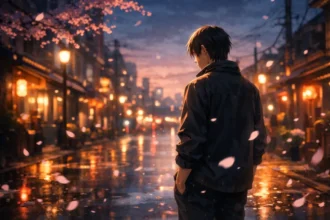
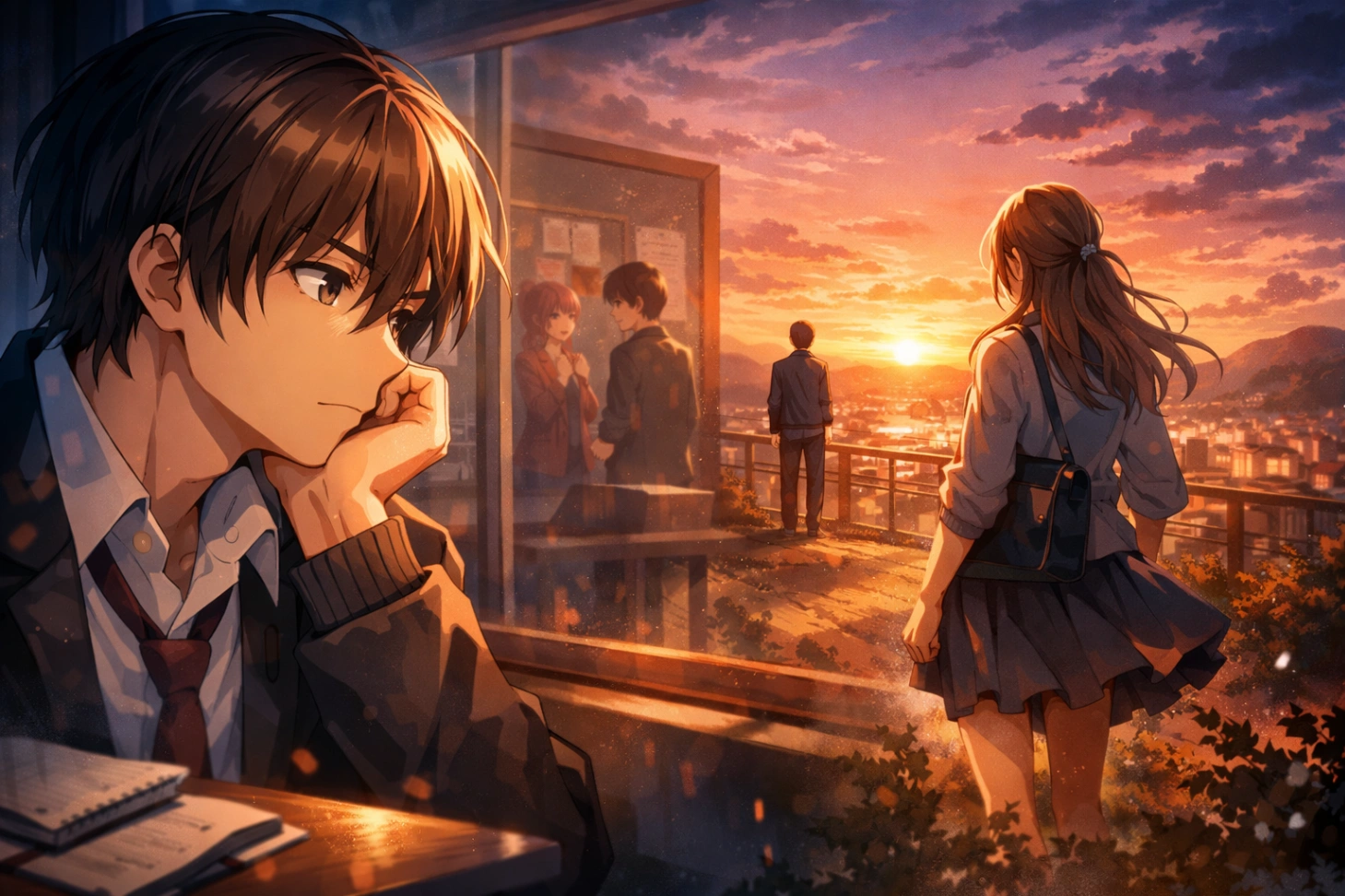
Anime perspective extends to visual composition. Camera angles, focus, and framing subtly indicate whose viewpoint dominates a scene. Shots from behind a character’s shoulder suggest subjectivity or uncertainty, while close-ups convey emotional intimacy. Wide shots can evoke isolation or vulnerability.
These visual choices complement narrative framing, reinforcing emotional immersion and narrative intent. They echo principles explored in Anime Visual Symbolism.
Perspective and Subtle Worldbuilding
Selective perspective allows anime to reveal its world organically. Social norms, hierarchies, and cultural rules emerge through character experience rather than exposition, creating a lived-in environment. This technique mirrors the thoughtful worldbuilding discussed in Anime Worldbuilding.
The Emotional Cost of Perspective
Restricting perspective brings emotional weight. Misunderstandings feel real, regret is palpable, and the audience experiences tension alongside characters. By embracing these constraints, anime tells stories that feel authentic, reflective, and deeply human.
Perspective and Truth
Anime often presents truth as subjective. Anime perspective allows audiences to experience multiple interpretations of the same event, reflecting real-life subjectivity. This ambiguity fosters reflection and nuanced understanding without providing simple answers.
Perspective and Emotional Distance
Anime perspective also controls emotional distance. A close, intimate viewpoint draws the audience deeply into a character’s inner world, making small gestures and expressions resonate profoundly. Conversely, a more detached perspective encourages reflection, allowing viewers to analyze events and moral choices without being overwhelmed by emotion.
Some anime deliberately create this distance to prevent easy judgment. By withholding internal monologue or overt emotional cues, the audience is invited to interpret actions themselves, creating a more engaging and thoughtful viewing experience.
First-Time Experience vs Retrospective Understanding
Perspective in anime often changes with time. Scenes experienced in the moment may be revisited later from a new angle, altering their significance. What once seemed trivial can gain deep emotional resonance when understood in hindsight. This retrospective layering of perspective allows characters to grow naturally and encourages viewers to reflect on the story’s deeper meaning.
Audience Misdirection and Layered Storytelling
Anime perspective can guide the audience toward assumptions that later prove incomplete. This misdirection is subtle and rarely used for shock alone. Instead, it mirrors real-life perception, showing how conclusions are shaped by limited viewpoints. When perspective expands, the emotional impact stems from recognition and insight rather than surprise, deepening engagement.
Multiple Perspectives and Narrative Balance
Shifting viewpoints must be carefully balanced. Anime often dedicates key moments to individual perspectives rather than switching constantly, allowing each viewpoint to feel authentic. This layering enriches character development, explores moral ambiguity, and maintains narrative clarity, preventing oversimplification of conflicts.
Character Agency and Viewer Insight
Anime perspective directly affects how character choices are perceived. Limited viewpoints can make decisions seem confusing or contradictory, reflecting real-world misunderstandings. Controlled perspective highlights the gap between intention and perception, allowing audiences to empathize with characters even when their actions are morally complex.
Silent Perspectives: Emotions Without Words
Some of the most profound moments occur without dialogue. Visual cues, pauses, and framing communicate emotion and intent subtly. These silent perspectives respect audience intelligence and foster a personal connection to the story. This method reinforces the human quality of anime storytelling.
Cultural Context and Perspective
Perspective in anime is often shaped by cultural norms. Social expectations, indirect communication, and community values influence how characters perceive the world and act within it. By maintaining authentic, culturally grounded perspectives, anime enhances realism and emotional resonance, creating a stronger connection with viewers.
Enhancing Rewatch Value
Anime that relies on layered perspectives often rewards rewatching. With knowledge of future events, viewers reinterpret earlier scenes, noticing subtle visual cues, expressions, or narrative hints that were initially overlooked. This complexity increases engagement and encourages repeated viewings, deepening appreciation for storytelling craft.
Perspective in Psychological and Emotional Storytelling
Psychological anime often exploits perspective to explore inner conflict and moral complexity. By aligning the audience with a specific viewpoint, creators can illustrate how perception shapes reality, highlight emotional struggle, and evoke empathy for characters experiencing internal turmoil.
This technique complements grounded storytelling, where character insight and emotional authenticity matter more than external action. Perspective becomes the lens through which meaning, tension, and thematic depth are revealed.
Scholarly and Critical Perspectives
Experts in narrative theory emphasize the importance of viewpoint. Sources like British Film Institute and Anime News Network note that perspective is central to audience interpretation, emotional engagement, and narrative clarity. Anime exemplifies this principle by blending subjective viewpoints, visual storytelling, and nuanced character insight.
The Human Appeal of Perspective
At its core, anime perspective resonates because it reflects the human experience. Life is rarely objective, and personal perception shapes how events are understood. By embracing subjective viewpoints, anime encourages reflection, empathy, and critical thinking, making its stories emotionally and intellectually engaging.
Conclusion: Perspective as Narrative Philosophy
Perspective is more than a narrative device—it is a philosophy of storytelling. Through careful control of viewpoint, anime transforms ordinary events into meaningful experiences, fosters empathy, and reveals deeper truths about characters and the world they inhabit. Whether through limited knowledge, shifting viewpoints, or visual framing, anime perspective creates stories that are honest, human, and deeply resonant.
By understanding how anime perspective shapes emotion, meaning, and engagement, viewers can appreciate the intricate craft behind even the simplest narratives. It is this careful orchestration of perspective that allows anime to leave lasting emotional and intellectual impact, making it one of the most sophisticated forms of modern visual storytelling.