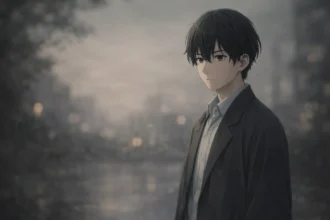

Anime Moral Ambiguity: Powerful Stories Beyond Heroes and Villains
Anime has long been praised for its emotional depth and visual creativity, but one of its most powerful and often overlooked strengths lies in its willingness to explore moral ambiguity. Unlike traditional storytelling that relies on clear heroes and unmistakable villains, many anime narratives exist in a gray space where right and wrong are never fully defined. This moral uncertainty is not a flaw or a narrative shortcut; it is a deliberate creative choice that gives anime its lasting emotional and philosophical impact.
Anime moral ambiguity allows stories to breathe. It gives characters room to make imperfect decisions, to act out of fear or hope, and to face consequences that are not neatly wrapped in moral lessons. These stories do not instruct the viewer on what to think. Instead, they invite reflection, disagreement, and personal interpretation. This approach is one of the reasons anime resonates so strongly with mature audiences across different cultures.
The Shift Away from Traditional Heroes and Villains
In many forms of mainstream entertainment, moral clarity is central to storytelling. The hero represents justice, the villain represents corruption, and the conflict resolves when one defeats the other. Anime, however, frequently challenges this structure. Rather than presenting characters as moral symbols, anime often portrays them as individuals shaped by circumstances, personal values, and internal conflict.
This shift does not remove conflict from the story; it deepens it. When characters are no longer defined by simple moral roles, every decision carries emotional weight. Viewers are not asked to cheer blindly for one side but to understand multiple perspectives at once. Anime moral ambiguity thrives in these moments of uncertainty, where empathy replaces judgment.
This narrative approach aligns naturally with themes explored in articles such as
Anime Storytelling Mastery,
where emotional depth is created through restraint rather than exposition. Moral ambiguity functions in a similar way, relying on implication rather than explanation.
Morality Shaped by Circumstance, Not Labels
One defining feature of anime moral ambiguity is its resistance to labels. Characters are rarely introduced as purely good or evil. Instead, their morality evolves through experience. A character’s actions may be questionable, yet understandable. Another may pursue justice while causing unintended harm. These contradictions are not narrative mistakes; they reflect the complexity of real human behavior.
By avoiding rigid moral categories, anime encourages viewers to examine motivation rather than outcome alone. This creates a more nuanced emotional experience. Viewers may disagree with a character’s choices while still sympathizing with their reasoning. The result is a deeper connection between audience and story, one that does not rely on moral certainty to remain engaging.
Anime moral ambiguity also allows stories to explore ethical dilemmas without providing definitive answers. Conflicts are not resolved through moral victory but through consequence. Characters live with the results of their actions, and those results are often imperfect. This lingering uncertainty is what makes these stories memorable long after the final episode.
The Role of Perspective in Moral Uncertainty
Perspective plays a critical role in shaping moral ambiguity within anime. Stories are often told through limited or shifting viewpoints, preventing the audience from seeing the full picture at once. This narrative technique ensures that moral judgment remains unstable. What appears justified from one perspective may feel deeply wrong from another.
This layered storytelling connects naturally with the ideas discussed in
Anime Perspective,
where viewpoint influences emotional interpretation. Moral ambiguity benefits from this same structure, as it prevents the story from imposing a single ethical framework on the viewer.
By controlling perspective, anime invites the audience to actively participate in moral evaluation. Viewers must question their assumptions and reconsider their judgments as new information emerges. This engagement transforms passive viewing into an active emotional and intellectual experience.
Emotional Impact Without Moral Resolution
One of the most striking aspects of anime moral ambiguity is its refusal to offer clean resolutions. Many stories conclude without declaring a winner or delivering moral closure. Instead, they leave behind emotional echoes. Characters move forward changed, but not redeemed or condemned in absolute terms.
This lack of resolution does not weaken the narrative. On the contrary, it strengthens emotional impact. When a story refuses to define good and evil, it mirrors real life, where decisions are rarely clear-cut and consequences are rarely fair. Anime that embraces moral ambiguity respects the intelligence of its audience by trusting them to sit with discomfort and uncertainty.
This emotional restraint is closely related to the quiet intensity discussed in
Anime Character Presence.
In both cases, meaning is conveyed through what is left unresolved rather than what is explained outright.
Why Moral Ambiguity Feels Authentic in Anime
Anime moral ambiguity feels authentic because it avoids moral performance. Characters are not written to represent ideals; they are written to exist within believable emotional and ethical boundaries. Their flaws are not narrative obstacles to be overcome but essential parts of their identity.
This authenticity creates trust between the story and the viewer. When anime avoids preaching or moral simplification, it allows audiences to engage honestly with difficult themes. The result is a viewing experience that feels respectful, mature, and emotionally grounded.
As anime continues to reach global audiences, moral ambiguity remains one of its most powerful narrative tools. It bridges cultural differences by focusing on universal human uncertainty rather than rigid moral codes.
In the second part of this article, the focus will shift toward how anime moral ambiguity influences long-term audience attachment, thematic longevity, and the lasting cultural relevance of morally complex stories.
Long-Term Impact on Audience Attachment
One of the most significant effects of morally ambiguous anime is the lasting bond it creates with its audience. Stories built around clear moral victories often provide immediate satisfaction, but they fade quickly from memory. In contrast, anime that operates within moral gray zones tends to linger in the viewer’s mind long after the final scene. This lasting presence is not driven by shock or spectacle, but by unresolved emotional questions.
Viewers often revisit these stories mentally, re-evaluating character decisions and reconsidering their own interpretations. This internal dialogue strengthens emotional attachment and encourages repeat viewing. Moral ambiguity does not close the story; it keeps it alive in the viewer’s thoughts.
Rather than offering answers, these narratives create space for reflection. That space is where long-term engagement is born, turning anime into something more than entertainment and transforming it into a personal experience shaped by memory and emotion.
Thematic Longevity and Cultural Relevance
Anime stories grounded in moral complexity age remarkably well. Because they avoid rigid moral statements tied to a specific era, they remain relevant across generations. Ethical uncertainty is timeless. Questions about responsibility, sacrifice, and consequence do not lose meaning as trends change.
This is why morally ambiguous anime continues to attract new audiences years after its release. The themes remain open-ended, allowing each generation to interpret them through its own cultural lens. Rather than being locked into a single moral message, these stories adapt naturally to changing perspectives.
Anime moral ambiguity also contributes to global accessibility. Viewers from different cultural backgrounds may disagree on moral conclusions, yet still find common ground in emotional understanding. This universality strengthens anime’s position as a storytelling medium capable of crossing cultural boundaries without dilution.
Ethical Complexity Without Moral Instruction
A defining strength of morally ambiguous anime is its refusal to instruct the viewer. These stories do not guide audiences toward a “correct” moral response. Instead, they present situations as they are and allow interpretation to emerge naturally.
This approach contrasts sharply with narratives that rely on moral reinforcement. By removing instruction, anime invites viewers to engage honestly with ethical complexity. The absence of judgment encourages personal reflection rather than passive agreement.
Such restraint enhances credibility. When anime avoids moral certainty, it avoids manipulation. The viewer feels respected rather than guided, which strengthens trust between story and audience.
Character Consistency Over Moral Clarity
In morally ambiguous anime, character consistency matters more than moral alignment. Characters are judged not by whether their actions are good or bad, but by whether those actions align with their established values and emotional state. This internal consistency is what makes morally complex characters believable.
A character may act selfishly in one moment and compassionately in another without contradiction. These shifts reflect emotional realism rather than narrative inconsistency. Anime moral ambiguity thrives on this balance, allowing characters to evolve without being forced into moral redemption or condemnation.
This consistency strengthens emotional investment. Viewers may not agree with a character’s choices, but they understand them. That understanding creates empathy, which is more powerful than moral approval.
The Absence of Narrative Judgment
Another key element of moral ambiguity in anime is the absence of narrative judgment. The story does not reward or punish characters explicitly based on moral alignment. Consequences exist, but they are not framed as moral lessons.
This neutrality allows viewers to form their own conclusions. The narrative remains observational rather than authoritative. By stepping back, the story grants the audience autonomy, reinforcing emotional engagement and intellectual involvement.
This storytelling restraint aligns with broader discussions found in critical media analysis, such as those published by
British Film Institute,
which emphasize the value of interpretive freedom in narrative art.
Why This Approach Resonates With Mature Audiences
Mature audiences are often drawn to stories that acknowledge uncertainty. Life rarely offers clear moral answers, and anime that reflects this reality feels more honest and relatable. Moral ambiguity mirrors lived experience, where decisions are shaped by emotion, pressure, and incomplete information.
Anime moral ambiguity respects complexity without glorifying darkness. It presents ethical challenges without sensationalism, allowing emotional depth to emerge organically. This balance makes such stories appealing to viewers seeking meaningful engagement rather than escapism alone.
By trusting the audience to interpret, anime positions itself as a medium capable of sophisticated storytelling. This trust is one of the reasons anime continues to gain critical recognition beyond traditional genre boundaries.
The Enduring Value of Stories Without Moral Certainty
Stories that avoid moral certainty often leave the strongest impressions. By refusing to simplify human behavior, morally ambiguous anime creates narratives that feel authentic, layered, and emotionally resonant. These stories remain open, allowing meaning to evolve with the viewer.
Rather than offering closure, they offer continuity. The story may end, but its emotional and ethical questions persist. This enduring quality is what elevates anime moral ambiguity from a narrative technique to a defining strength of the medium.
As anime continues to expand its global reach, morally complex storytelling will remain a cornerstone of its appeal. By embracing uncertainty, anime creates space for reflection, connection, and lasting emotional impact.
Conclusion
Anime moral ambiguity represents a powerful departure from traditional storytelling structures. By moving beyond heroes and villains, anime opens the door to deeper emotional engagement and thematic richness. These stories do not demand agreement; they invite understanding.
Through ethical complexity, narrative restraint, and character-driven consistency, morally ambiguous anime offers experiences that resonate long after the final frame. In choosing uncertainty over clarity, anime proves that the most powerful stories are often the ones that trust the audience to find their own meaning.